

How to Take Care of Your Skin: A Complete Beginner's Guide
Not sure where to start with skin care? Here's a plain-language guide to the basics — cleansing, hydration, sun protection, and the everyday habits that matter more than any product.
Taking care of your skin doesn't require a ten-step routine or a shelf full of products. Most of what actually matters comes down to four things: knowing your skin type, cleansing without stripping it, keeping it hydrated, and protecting it from the sun. Everything else is optional extra credit.
Start by Figuring Out Your Skin Type
Before buying anything, it helps to know what you're actually dealing with. Oily skin tends to look shiny by midday, especially around the forehead and nose. Dry skin feels tight after washing and can flake in patches. Combination skin is oily in some areas and dry in others, most commonly the T-zone versus the cheeks. Sensitive skin reacts quickly to new products with redness or a stinging feeling. None of these are fixed forever — skin type can shift with weather, age, and hormones, so it's worth reassessing occasionally rather than assuming it never changes.
Cleansing: Less Aggressive Than You'd Think
The goal of cleansing is to remove dirt, oil, and sunscreen without leaving skin feeling stripped or squeaky. Squeaky-clean is actually a bad sign — it usually means the natural oil barrier has been washed away along with everything else. Washing twice a day is generally enough. More than that, especially with harsh cleansers, tends to cause more breakouts than it prevents, since the skin overcompensates by producing extra oil.
Hydration Matters for Every Skin Type, Including Oily Skin
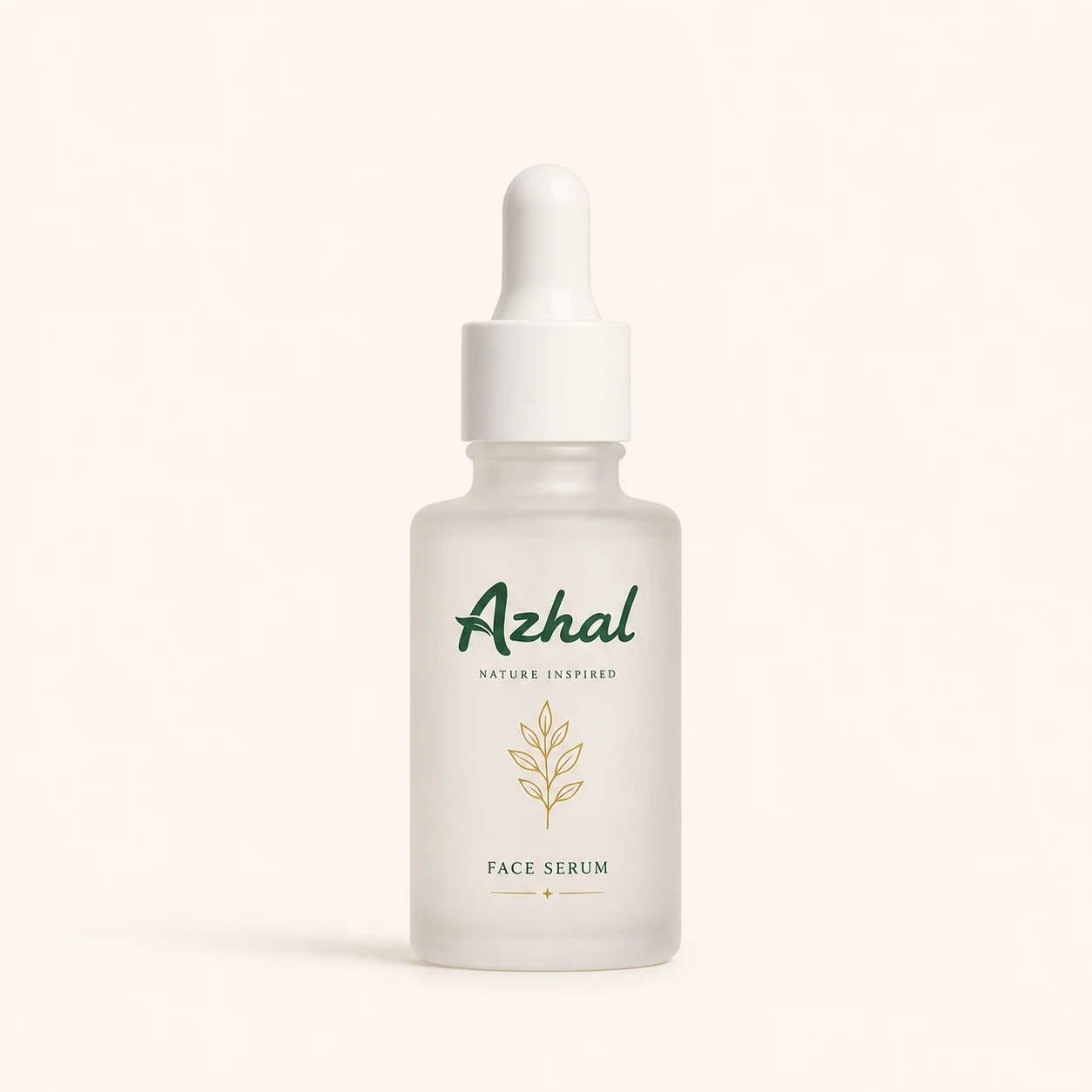
There's a common misconception that oily skin should skip moisturizer entirely. In reality, skipping it often makes oiliness worse, because dehydrated skin can respond by producing even more oil to compensate. The fix isn't to avoid moisturizer — it's to choose a lightweight one. Ingredients like niacinamide help with this specifically, since they support the skin barrier and even out tone without adding heaviness. Azhal's Glow Essence Serum is built around a 5% niacinamide concentration alongside alpha arbutin, and it's formulated to absorb quickly rather than sit on top of the skin.
Sun Protection Is the One Step Worth Never Skipping
If there's one habit that outweighs everything else on this list, it's daily sunscreen. Sun exposure is behind most premature aging, uneven tone, and dark spots — far more than any other single factor. A broad-spectrum SPF 50 with PA++++ rating, like Fluid Sunscreen, covers both UVA and UVB rays and is worth applying every single morning, cloudy days included.
- Sleep — skin repairs itself overnight, and consistently poor sleep shows up as dullness and slower healing.
- Water intake — hydration from the inside supports what's being applied on the outside, though it's not a substitute for it.
- Diet — diets heavy in sugar and processed food are linked to more breakouts for a lot of people, though this varies person to person.
- Stress — elevated stress hormones are a known trigger for flare-ups, including acne and eczema.
When to See a Dermatologist Instead of Guessing
Persistent acne, sudden rashes, or anything that doesn't respond to a few weeks of basic care is worth getting looked at by a professional rather than trying product after product. Over-the-counter routines can handle a lot, but they're not a substitute for a proper diagnosis when something's genuinely wrong.
Similar Posts




0 Comments
Be the first to share your thoughts on this post.