
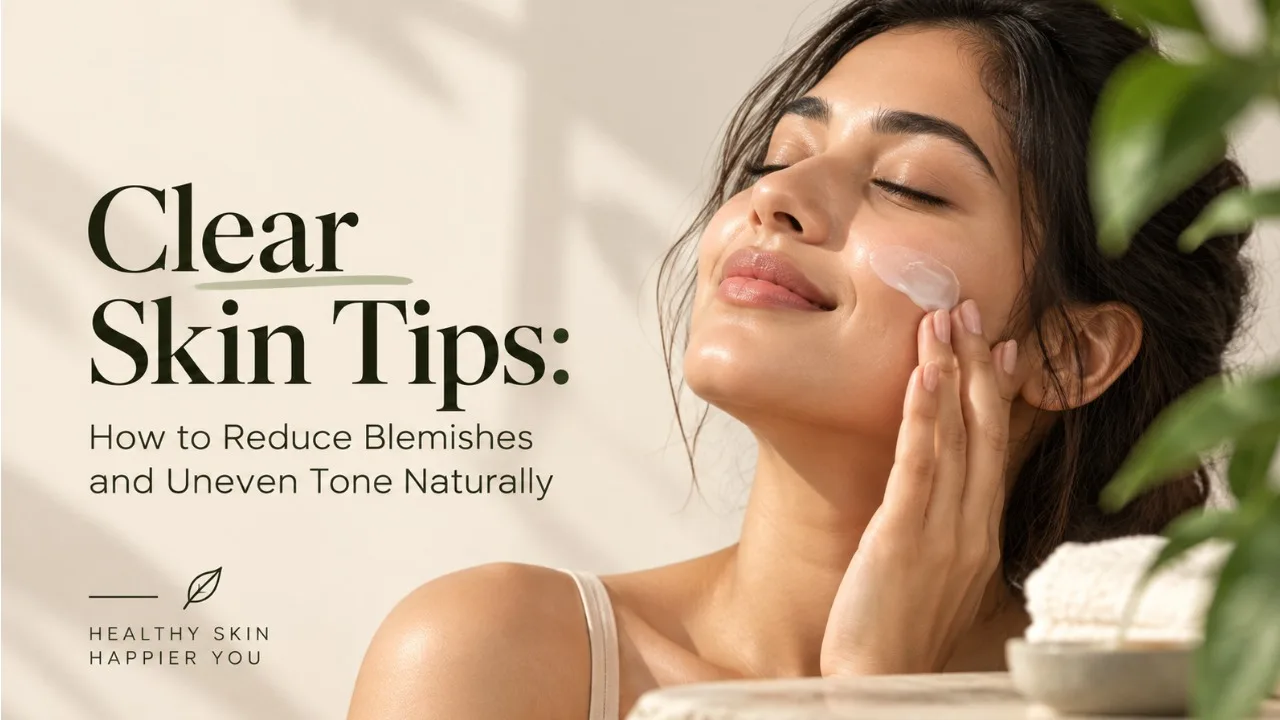
Clear Skin Tips: How to Reduce Blemishes and Uneven Tone Naturally
Uneven, blemish-prone skin usually comes down to a handful of fixable causes. Here's what actually helps, and which ingredients are worth looking for.
"Clear skin" doesn't mean poreless or completely blemish-free — that's more filter than reality. It usually means fewer active breakouts, less lingering discoloration from old ones, and a more even overall tone. That's a genuinely achievable goal, and it comes down to a shorter list of causes than most people expect.
- Buildup of dead skin cells clogging pores and creating a rough, uneven texture.
- Leftover pigmentation from old breakouts, sun exposure, or scarring, which lingers long after the original blemish has healed.
- An overworked or irritated skin barrier, often from over-cleansing or over-exfoliating, that makes skin more reactive.
- Inconsistent sun protection, which darkens existing marks and slows down how quickly they fade.
Start With Gentle, Not Aggressive
A common reaction to breakouts is to scrub harder or use stronger products, hoping to force clear skin faster. It usually does the opposite — irritated skin produces more oil and heals more slowly. A gentle cleanser, moderate exfoliation once or twice a week, and consistency tend to outperform anything aggressive.
Brightening Actives That Actually Help With Discoloration
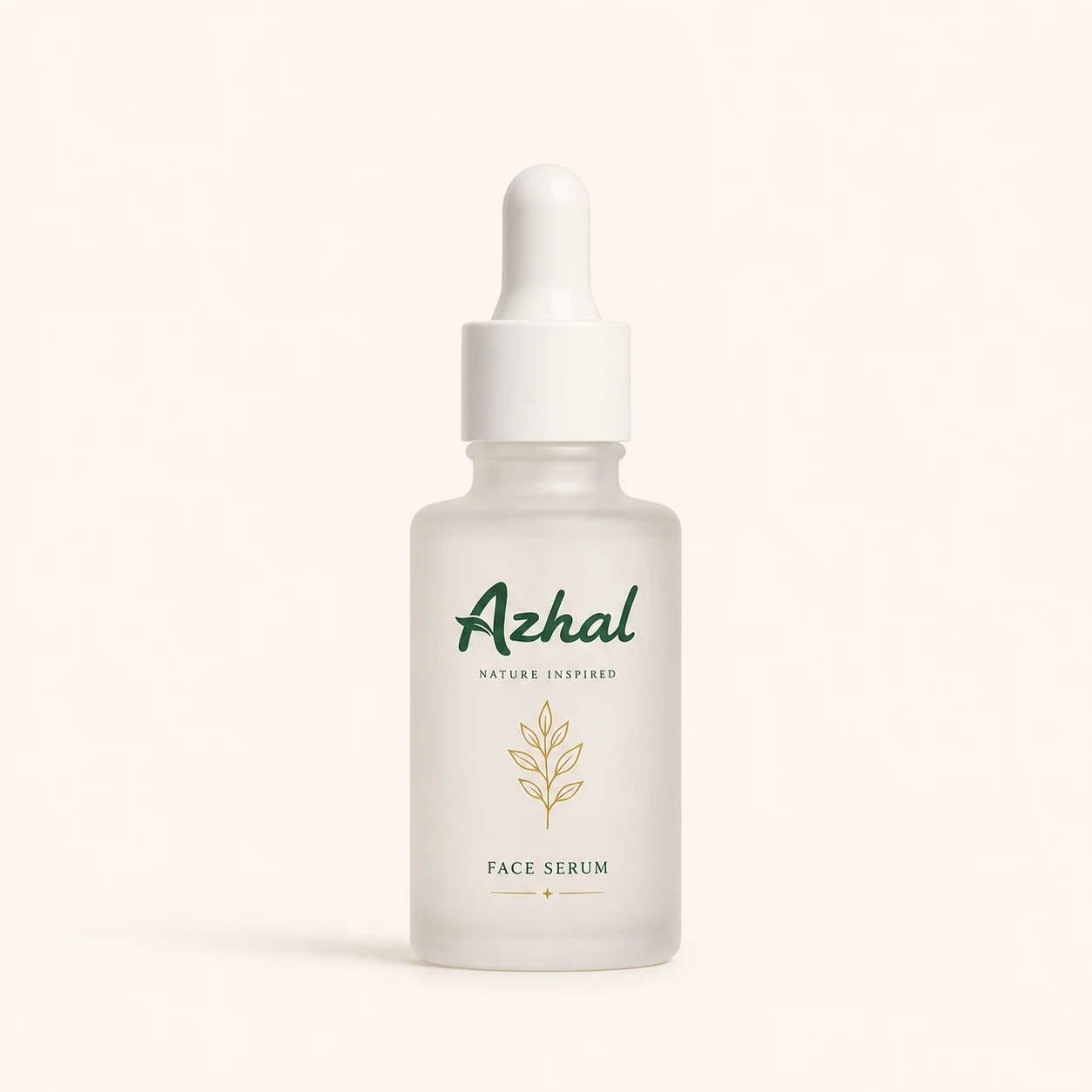
For the pigmentation and unevenness left behind after blemishes heal, a handful of ingredients have real evidence behind them. Alpha arbutin works gradually on dark spots without the harshness of stronger lightening agents. Niacinamide supports the skin barrier while improving tone and texture together. Azhal's Glow Essence Serum combines both — alpha arbutin at 2% and niacinamide at 5% — in a fragrance-free formula that's gentle enough for daily use, including on sensitive or reactive skin.
Sunscreen Is Not Optional If You're Trying to Fade Marks
This is worth repeating on its own: unprotected sun exposure actively darkens existing pigmentation and slows fading, no matter how good the treatment product is. A broad-spectrum SPF 50+ with PA++++, like Fluid Sunscreen, is what makes brightening actives actually work instead of fighting a losing battle against fresh sun damage every day.
Give It Real Time
Pigmentation and blemish marks take longer to fade than active breakouts take to heal — often eight to twelve weeks of consistent care before a visible difference shows up. Switching products every couple of weeks out of impatience is one of the most common reasons people feel like nothing is working, when in reality nothing had time to.
Similar Posts




0 Comments
Be the first to share your thoughts on this post.